June 9, 2026
In this comprehensive guide, we will explore everything you need to know about hiring local electrical installers, from understanding their roles to reviewing safety, quality, and service expectations. Whether you're planning a home renovation or a new construction project, having the right electrical professionals on your side can make a major difference. The electrical installation process involves careful planning, technical skill, and adherence to safety standards. By understanding what local electrical installers do, you can make informed decisions that contribute to the efficiency and safety of your projects. Our goal is to provide a detailed look at the various factors to consider before hiring local electrical installers for your home or business.
Understanding the Role of Electrical Installers
Definition and Core Responsibilities
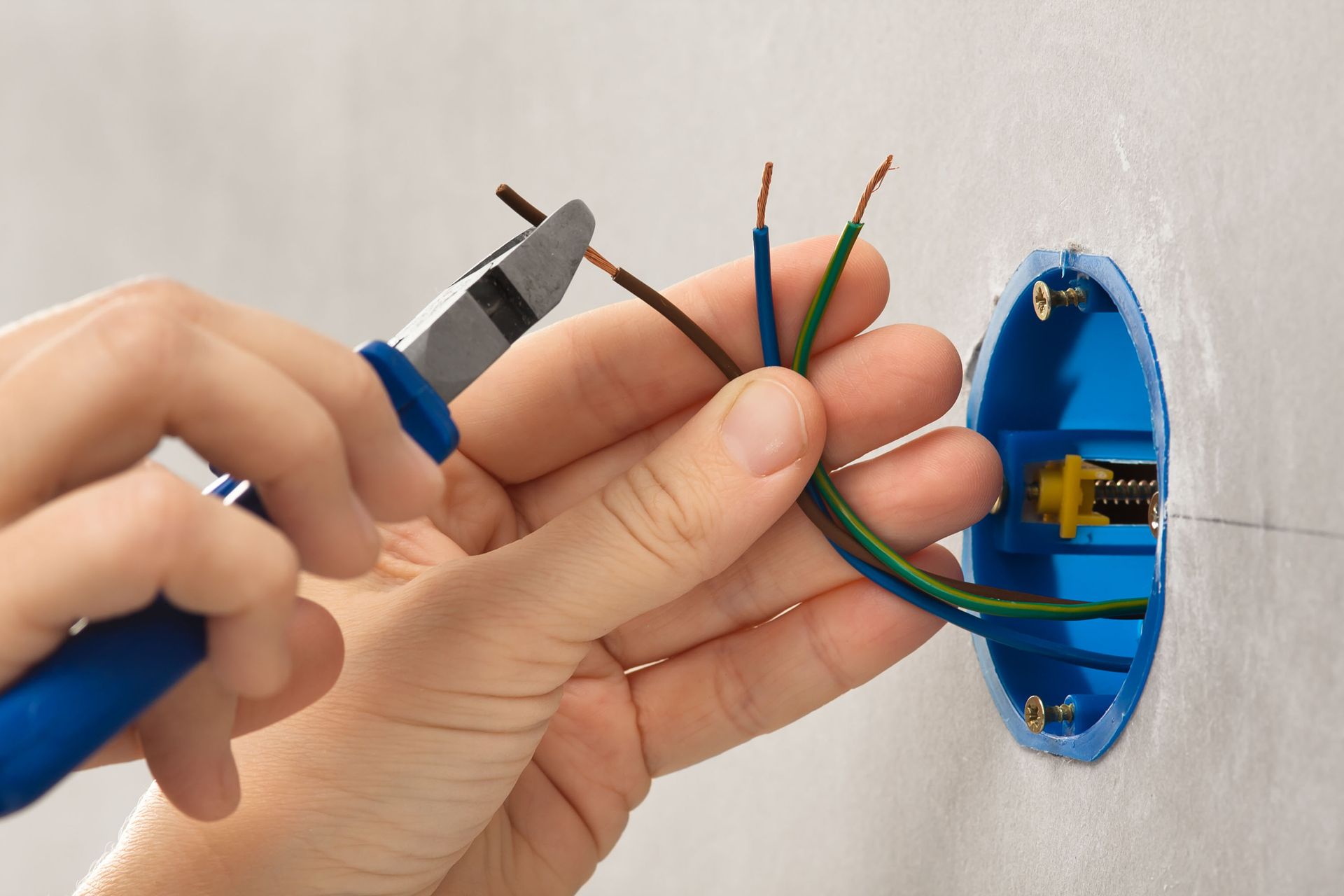
Electrical installers are skilled professionals responsible for installing, maintaining, and repairing electrical systems in residential, commercial, and industrial settings. Local electrical installers conduct essential tasks such as wiring, installing electrical fixtures, and checking that electrical safety standards are met. Their work is critical to the functional integrity and safety of buildings, affecting everything from lighting and air conditioning to security systems. As defined by their core responsibilities, electrical installers must possess a thorough knowledge of electrical blueprints and the technical details involved in power systems. Their work helps systems operate efficiently, which is particularly important given that, according to the U.S. Department of Energy, air conditioners use about 12% of the electricity in U.S. households.
Qualifications and Certifications
To become an electrical installer, rigorous training and certification are required to adhere to industry standards. Typically, an electrical installer must complete an apprenticeship, which combines hands-on training with classroom instruction. This process helps installers gain the skills and knowledge needed to handle challenging electrical tasks safely. Once the apprenticeship is completed, the individual must obtain licensure, which varies by state and confirms that they meet local regulations. Certifications, such as those from the National Electrical Contractors Association, can further show an installer's commitment to professional standards.
Energy Efficiency
Skilled electrical installers play a critical role in improving energy efficiency, an essential factor in today's eco-conscious market. By properly installing and maintaining electrical systems, they reduce energy waste and improve system performance. For instance, the accurate placement of energy-efficient lighting solutions can significantly reduce unnecessary power consumption. In residential homes, proper installation of appliances and systems such as HVAC can help decrease overall electricity usage, which may lower utility bills. As energy efficiency becomes increasingly important, particularly as air conditioners account for approximately 12% of a household's electricity use, the role of knowledgeable local electrical installers is increasingly valuable.
How to Evaluate Local Electrical Installers
Researching Local Installers
Identifying reputable electrical installers in your area requires thorough research and careful evaluation. Begin by seeking recommendations from friends, family, or colleagues who have recently had electrical work done. Online resources, such as search engines and social media platforms, can also provide information and reviews on local installers. Additionally, local business directories and professional association websites often include lists of certified electrical contractors. Compiling this information will help you form a clear picture of potential candidates before making your selection.
Comparing Quotes and Estimates
Obtaining quotes and estimates from multiple electrical installers is crucial for comparing pricing and service value. Begin by requesting a detailed breakdown of costs from each installer, including labor, materials, and any additional fees. Compare these quotes to understand the market rate and identify any discrepancies. It is important to avoid choosing solely based on price; instead, balance cost considerations with the installer's experience and reputation. This comparison will help you select an installer who offers the right combination of value, quality, and reliability.
Evaluating Workmanship and Experience
Assessing an installer's workmanship and experience is crucial in selecting the right professional for your electrical needs. Reviewing portfolios or galleries of past projects provides a visual indication of their skills and service quality. Ask about their years of experience and whether they have handled projects similar to yours. Experienced installers often demonstrate strong attention to detail, making sure installations are both functional and compliant with industry standards. By evaluating their workmanship, you gain confidence in their ability to deliver quality services that meet your specific requirements.
The Installation Process: What to Expect
Initial Consultation and Planning
The installation process begins with an initial consultation and planning session between the client and the electrical installer. During this meeting, the client outlines their needs, project scope, budget, and timeline expectations. The installer discusses potential solutions, provides recommendations, and identifies any challenges or considerations. This phase is important for aligning expectations and supporting clear communication between both parties. Proper planning sets the foundation for a smooth project and helps the client's objectives be met effectively.
Site Assessment and Preparation
After the initial consultation, the installer conducts a site assessment to evaluate the existing electrical infrastructure and prepare for installation. This involves inspecting wiring systems, identifying necessary upgrades, and creating strategies to address identified issues. Proper site preparation may include clearing obstacles, allowing access to installation areas, and coordinating with other contractors involved in the project. This phase is crucial in identifying potential challenges and creating a tailored approach to support a safe and efficient installation process. A well-prepared site contributes significantly to the successful completion of electrical installations.
Installation Day Procedures
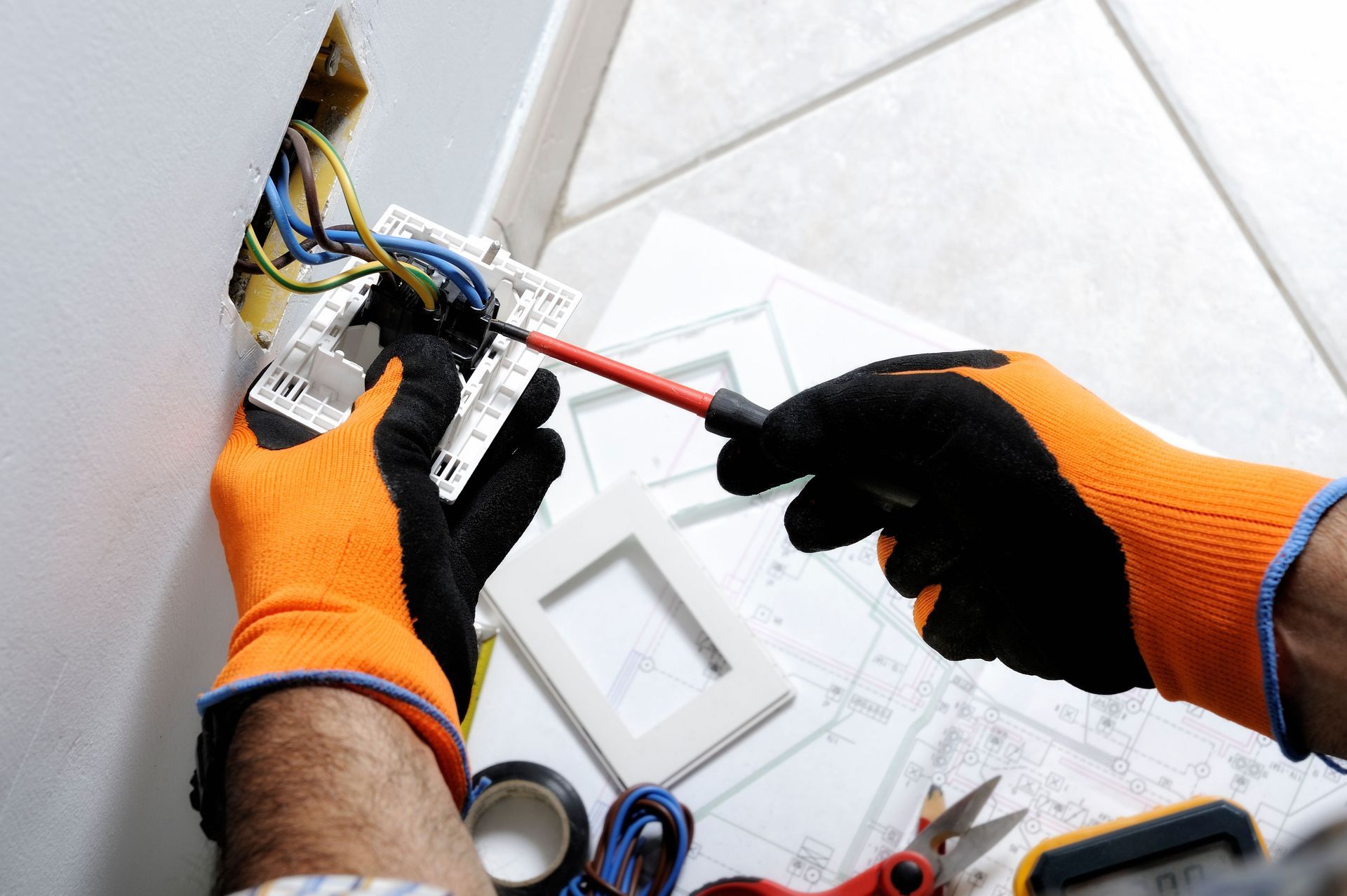
On the day of installation, the installer follows a detailed procedure to complete the electrical project safely. This typically includes setting up a work area, following safety protocols, and verifying that all tools and materials are ready for use. The installer methodically executes the planned tasks while maintaining clear communication with the client throughout the process. Safety is a top priority, with measures in place to protect both the installation crew and the property. Efficiency and accuracy during installation day are critical to meeting project deadlines and client expectations.
Post-Installation Testing and Quality Assurance
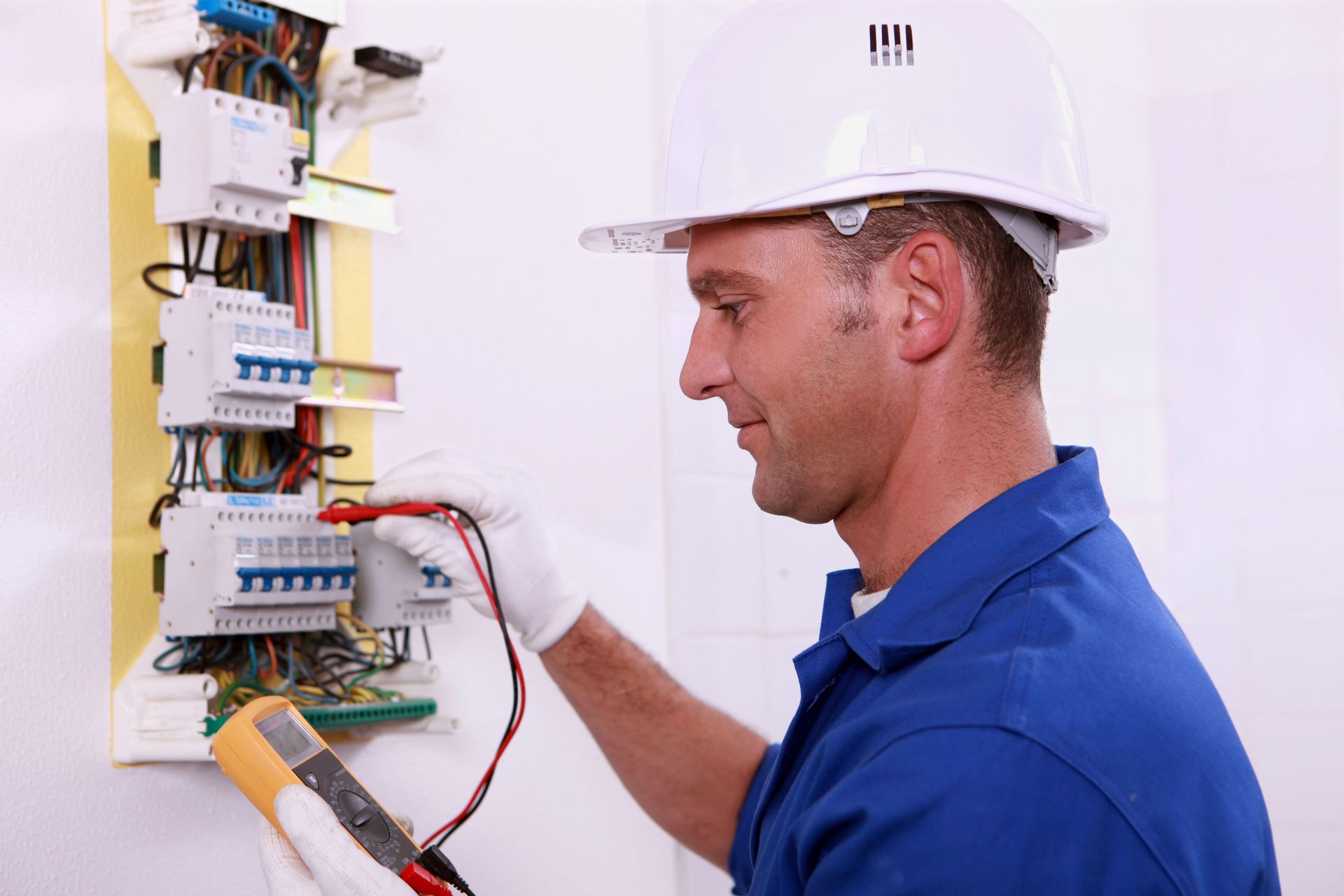
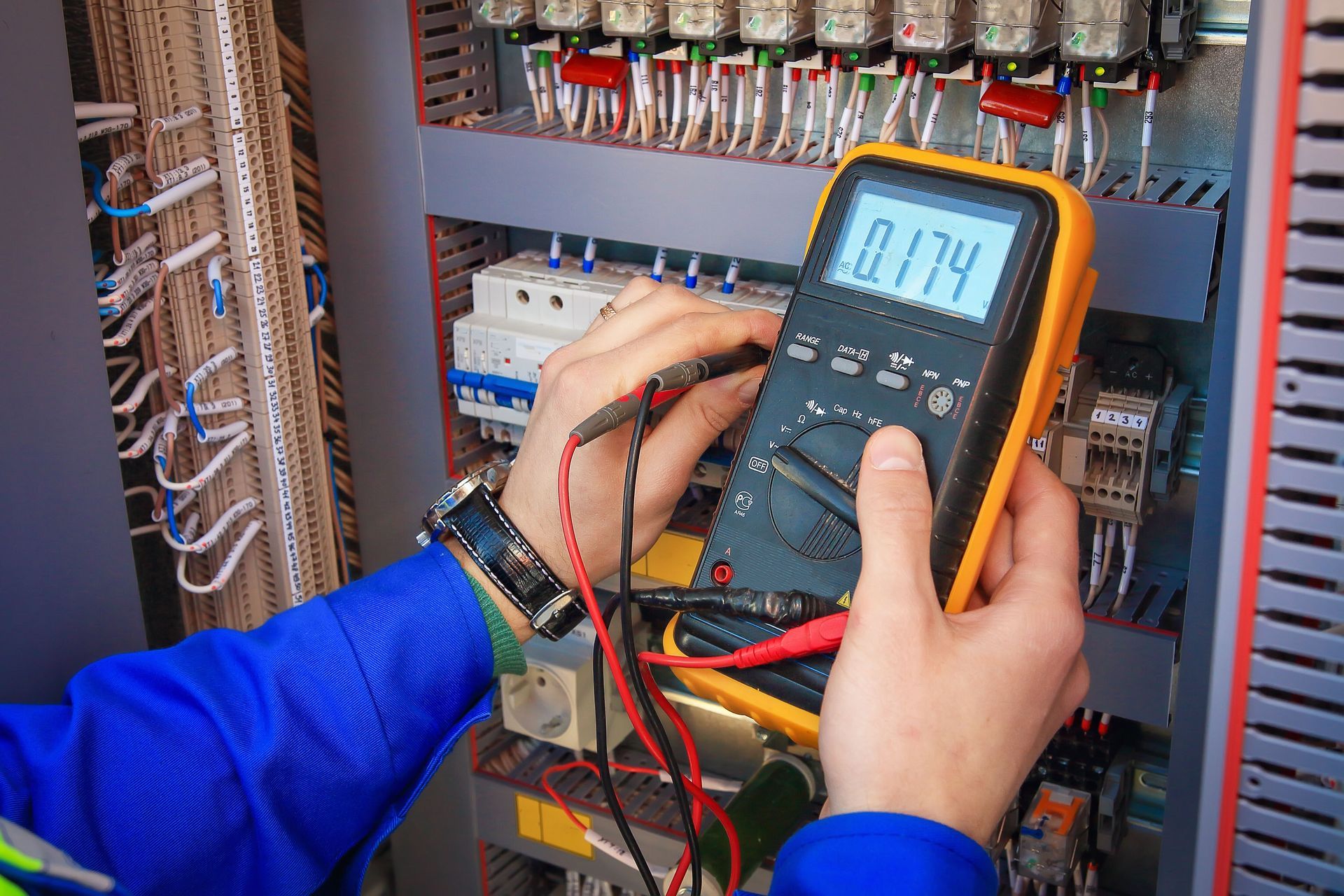
Once the installation is complete, post-installation testing and quality assurance measures are conducted to verify system functionality. The installer tests all components and systems to confirm that they operate efficiently and adhere to relevant safety standards. Comprehensive testing helps identify any discrepancies or malfunctions that need immediate attention. Quality assurance confirms that installations meet both industry requirements and client expectations, resulting in reliable and long-lasting electrical systems. This phase is integral to confirming the success of the installation and providing peace of mind to the client.
Final Walkthrough and Client Sign-off
The installation process concludes with a final walkthrough, allowing the client to review the completed work and confirm satisfaction. During this walkthrough, the installer explains how to operate and maintain the newly installed systems. The client has the opportunity to ask questions, request modifications, or address any concerns. Upon mutual agreement, the final sign-off acknowledges that the project is complete and satisfactory. This stage reinforces client confidence and confirms that all contractual obligations have been met, marking the successful conclusion of the installation process.
Hiring local electrical installers comes with meaningful benefits, from personalized service to stronger community support. By following the considerations outlined above, you can choose an installer who aligns with your project goals, budget, and safety expectations. Prioritizing quality and compliance will help protect your electrical systems while supporting their efficiency and longevity. Local installers provide the added advantage of accessible service, competitive offerings, and familiarity with area requirements. By choosing a local professional, clients benefit from reliable electrical support while contributing to the growth of their community. Contact Accent Electric today for more information.