September 15, 2026
Choosing electrical services for a home is not always a matter of selecting a standard solution. Every property has its own layout, electrical demands, existing wiring, and future needs. A home with an older electrical system may require a different approach than a recently built property with modern appliances and technology.
A local electrical installer can evaluate these factors and tailor services around the characteristics of the home. This personalized approach can help address specific electrical requirements while supporting functionality, safety, and convenience throughout the property.
From lighting and outlets to upgrades and new installations, understanding how electrical work can be customized helps homeowners make more informed decisions. The right approach considers the home as a whole rather than treating every project the same way.
Assess Existing Electrical Systems
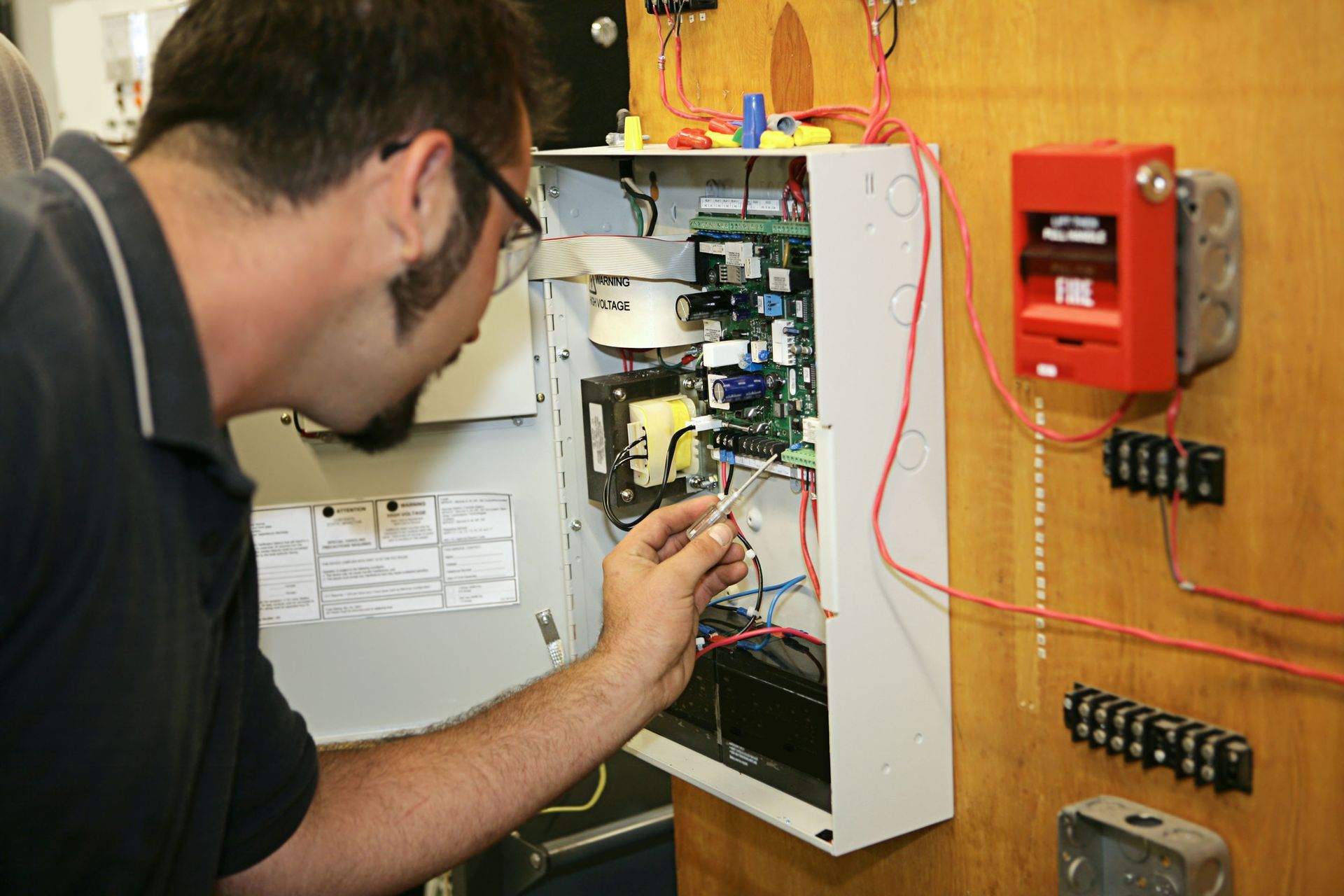
Before recommending electrical work, an electrical professional can evaluate the existing system and consider how its components currently function together. Wiring, outlets, fixtures, panels, and other elements can all affect what solutions make sense for a particular property.
This assessment is especially useful in older homes. Previous renovations, additions, or electrical modifications may have changed the original system. Understanding what is already present allows an installer to account for existing conditions instead of approaching the project without that context.
A local electrical installer may also consider how the household currently uses electricity. A home with numerous appliances, entertainment devices, or work-from-home equipment may have different requirements than a property with simpler electrical demands.
The assessment can help identify areas that may benefit from attention while also providing useful information for planning future work. Rather than automatically replacing components, an electrician can consider the existing system and determine what the project actually requires.
Match Solutions to Home Layouts
The physical layout of a home can influence where electrical components should be installed. Room dimensions, wall placement, furniture arrangements, and the location of existing electrical connections can all affect the most practical placement for outlets, lighting, and other features.
A customized approach can make electrical improvements more useful in everyday life. For example, the placement of an outlet may need to account for where household equipment is used, while lighting may need to address how a particular room is occupied throughout the day.
A local electrical installer can also consider how different areas of the property are connected. Kitchens, bathrooms, garages, living spaces, bedrooms, and outdoor areas can each present different electrical considerations based on their purpose and environment.
Planning around the home's layout can help prevent inconvenient placements and reduce the need for unnecessary modifications later. Electrical work becomes more functional when it is considered alongside the way people actually use each space.
Choose Appropriate Wiring
Wiring plays an important role in how electricity moves throughout a home. The appropriate wire depends on factors such as the intended application, electrical load, and existing system requirements. Selecting suitable materials is therefore an important part of planning residential electrical work.
According to This Old House, residential lighting commonly uses 14-gauge wire, whereas general-purpose outlets frequently use 12-gauge wire. This illustrates why wiring choices should be based on the specific purpose of an electrical circuit rather than using the same approach throughout an entire property.
A local electrical installer can evaluate the requirements of individual circuits when determining appropriate wiring solutions. This can be particularly important when homeowners are adding new equipment or changing how an existing space is used.
Wiring also needs to work appropriately with the rest of the electrical system. Connections, circuit protection, and the expected electrical demand should all be considered together. Careful planning can help create a system that supports the home's needs without relying on a one-size-fits-all approach.
Address Individual Electrical Needs
Every household can have different electrical priorities. Some homeowners may need better lighting, while others may need additional outlets or electrical improvements related to appliances and household equipment. Understanding these individual requirements helps shape the scope of a project.
A customized service can focus attention on the areas that matter most to the property. Instead of recommending unnecessary changes, an electrical professional can consider the homeowner's goals alongside the existing electrical infrastructure.
A local electrical installer may also help address the needs of specialized areas within the home. Garages, workshops, home offices, kitchens, and outdoor spaces can require different considerations because of how they are used and what equipment they accommodate.
Discussing these needs before work begins can make the project more focused. It also gives homeowners an opportunity to explain how they use their property, allowing electrical solutions to be considered in the context of their daily routines.
Plan for Future Changes
Electrical planning does not have to focus exclusively on immediate needs. Homeowners may eventually remodel rooms, add appliances, change lighting arrangements, or introduce new technology. Considering potential changes can help create a more adaptable electrical system.
When planning an installation or upgrade, it can be useful to think about how the home may be used in the future. A solution that works well today may need modification if the property's electrical demands change significantly later.
A local electrical installer can discuss the intended purpose of a project and consider whether future needs should influence the installation. This does not mean every possible change needs to be accommodated immediately, but it can help identify practical opportunities for preparation.
Forward-looking planning can also make future electrical projects easier to manage. When the existing system has been thoughtfully organized and documented, subsequent work may be easier to evaluate and integrate with what is already in place.
Customize Upgrades and Installations
Electrical upgrades can vary considerably depending on the condition and configuration of a property. A homeowner may need improvements to support a particular appliance, additional electrical capacity, better lighting, or changes to an existing room. Each situation calls for careful consideration.
A professional installation should account for the home's existing electrical infrastructure as well as the goals of the project. This helps ensure that new work is considered as part of the overall system rather than as an isolated addition.
A local electrical installer can tailor the approach based on the property's characteristics, project requirements, and intended use. This can help make installations more practical while ensuring that important electrical considerations are not overlooked.
Personalized electrical work can also provide homeowners with greater clarity about what is being changed and why. Understanding the purpose of an upgrade can make it easier to prioritize improvements and determine which solutions best fit the property.
The most effective electrical services begin with an understanding of the home itself. Layout, wiring, existing infrastructure, electrical demands, and future plans can all influence which solutions are appropriate. Taking these factors into account allows electrical work to be approached with greater precision and purpose.
Clear communication throughout the project can also help ensure electrical improvements align with the home's needs, practical priorities, existing infrastructure, and long-term plans as needed. This approach supports lasting results.
Homeowners do not have to settle for generic electrical solutions when their properties have specific needs. Working with an experienced professional can help ensure each project is approached according to the home's individual characteristics. Connect with Accent Electric today to discuss your home's electrical needs and get started on a solution tailored to your property.