May 20, 2026
Electrical problems in the home are not only inconvenient but can also pose serious hazards if left unaddressed. Homeowners should be aware of the most common issues to maintain household safety and efficiency with a professional electrician. Ignoring these problems can lead to severe consequences, such as damage to appliances, fires, and even electrical shock. While some issues may seem minor, they often indicate underlying problems that require immediate attention. Proactive measures and timely fixes can prevent minor issues from escalating into major disasters, thus ensuring the safety and integrity of the home.
Frequent Circuit Breaker Tripping
The Circuit Breaker System
A circuit breaker serves as a safety mechanism that prevents excess electrical flow in a circuit by shutting it off. It acts as a fail-safe by disconnecting the power when an electrical overload is detected. This function is crucial for protecting your home electrical system from potential damage and fire risks. The frequent tripping of a circuit breaker indicates that something is wrong with your electrical circuit or devices. Homeowners often misunderstand this tripping as just a nuisance, but, in fact, it serves to alert you to an underlying electrical issue.
Common Causes of Overload
Overloading a circuit is one of the primary causes of frequent breaker trips. This usually occurs when many high-powered appliances run simultaneously on the same circuit. In older houses, according to This Old House, the issue becomes more prominent due to the fact that these homes typically rely on 60-amp to 100-amp service, which may be inadequate for modern electrical demands. Consequently, the system gets overwhelmed, leading to a safety trip. Determining which devices are causing the overload can help in rearranging how you distribute them across circuits.
Potential Risks of Ignoring the Issue
Ignoring frequent circuit breaker trips can lead to catastrophic results. A continually overloaded circuit will heat up over time, increasing the risk of electrical fires. Additionally, sustained overuse without allowing the breaker to reset properly can cause permanent damage to your electrical wiring and connected devices. This neglect can escalate repair costs and lead to a full electrical system failure. The safety risks associated with ignoring this problem cannot be overstated, as they can endanger lives and property.
Steps to Diagnose the Problem
To diagnose why your circuit breaker is frequently tripping, start by identifying which appliances or outlets are on the circuit. Unplug all devices and then gradually reconnect them one by one to see which triggers the trip. This method helps in pinpointing the device causing the overload. Do keep in mind that testing should be carried out with caution to avoid electrical hazards. When the problematic device is identified, consider moving it to another circuit or consulting a professional electrician for a more sustainable solution.
Flickering Lights
The Source of the Problem
Flickering lights can be more than just an annoyance; they may indicate an underlying electrical problem. The source can range from a simple issue like a loose bulb to more severe wiring problems within the circuit. Usually, consistent flickering across multiple fixtures indicates a broader electrical issue, often related to wiring faults or circuit overload. In older homes with outdated electrical systems, flickering is more common and often requires updating the infrastructure. To accurately identify the source, homeowners may need to conduct a thorough inspection or call on a professional electrician.
Wiring Danger
Loose wiring is one of the primary causes of flickering lights and poses significant danger if not addressed. Loose wires can cause arcing, which generates heat and is a common cause of electrical fires. Over time, wires can become loose due to wear and tear, especially in houses with older electrical systems. As per This Old House, older homes may not have the infrastructure to handle modern appliances, exacerbating loose connections. Addressing this issue promptly is crucial to ensure both the efficiency and safety of your home's electrical system.
The Role of Bulb and Fixture Compatibility
Sometimes, flickering lights stem from incompatibilities between bulbs and fixtures. This misalignment is often found with LED bulbs that may not be suited for use with certain dimmer switches. Additionally, fixtures that might not support the electrical current needed by more modern bulbs can cause inconsistent light output. Ensuring that all components are compatible can often resolve flickering issues and improve lighting consistency. Testing varying types of bulbs and fixtures can aid in identifying and rectifying compatibility issues.
Voltage Fluctuations and What They Mean
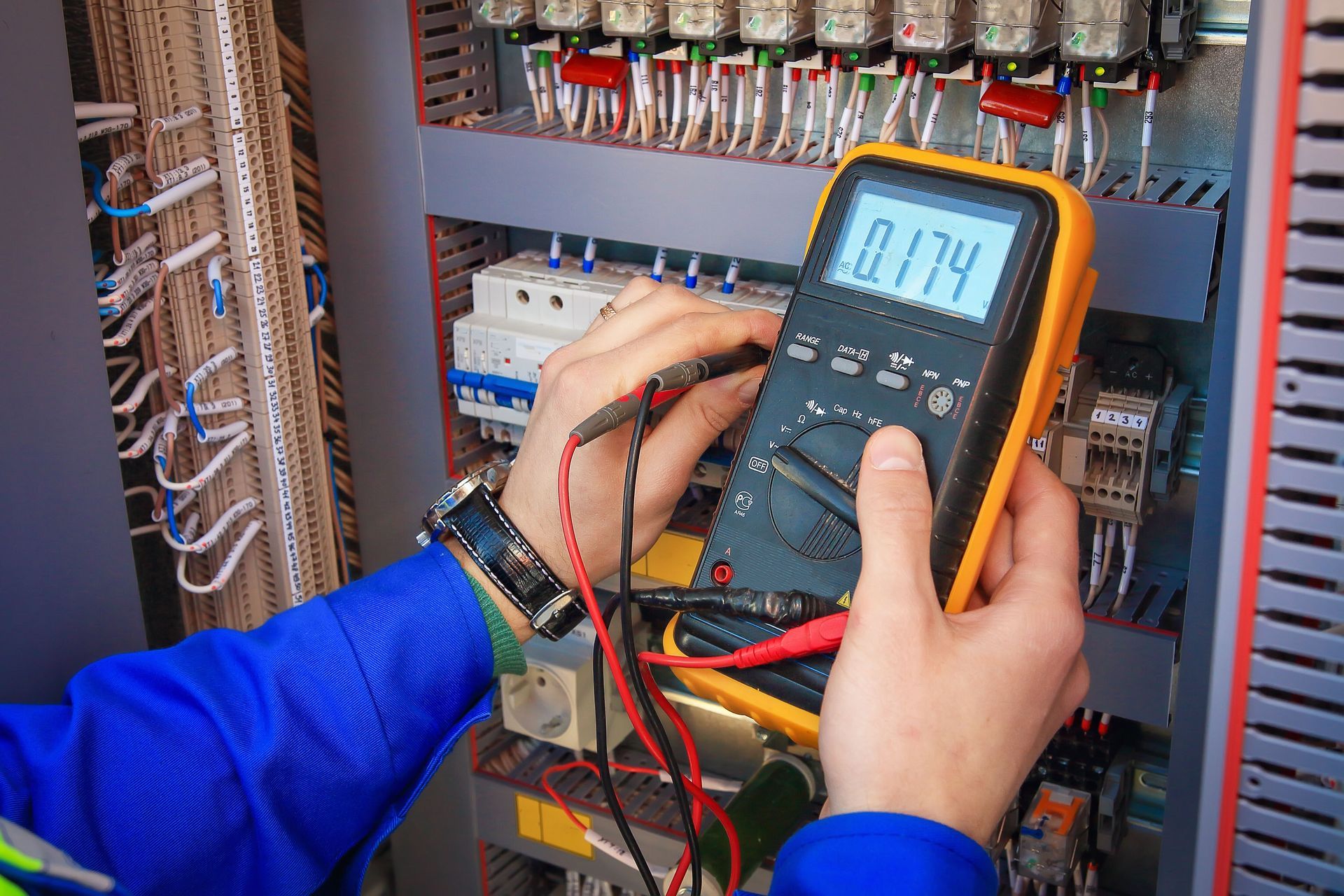
Voltage fluctuations are another common cause of flickering lights. These fluctuations can occur due to problems with the external power line or issues within your home's electrical system. Frequent sudden changes in light intensity typically suggest voltage surges, which might damage appliances over time. A voltage tester can help check whether the fluctuations are significant enough to be a concern, indicating the need for stabilizing measures. For persistent issues, consulting an electrician is advisable to identify the root cause and protect your home from potential damage.
Outlets and Switches That Don't Work
Common Causes of Non-Functional Outlets
Non-functional outlets are a common issue faced by homeowners and usually indicate underlying electrical problems. Causes can range from tripped circuit breakers to electrical damage from overuse or faulty connections. Additionally, older houses with outdated electrical systems are at higher risk for this problem, often stemming from insufficient service supply, as discussed by This Old House. Accumulated dirt and debris in the outlet can also contribute to poor functioning.
Switch Problems
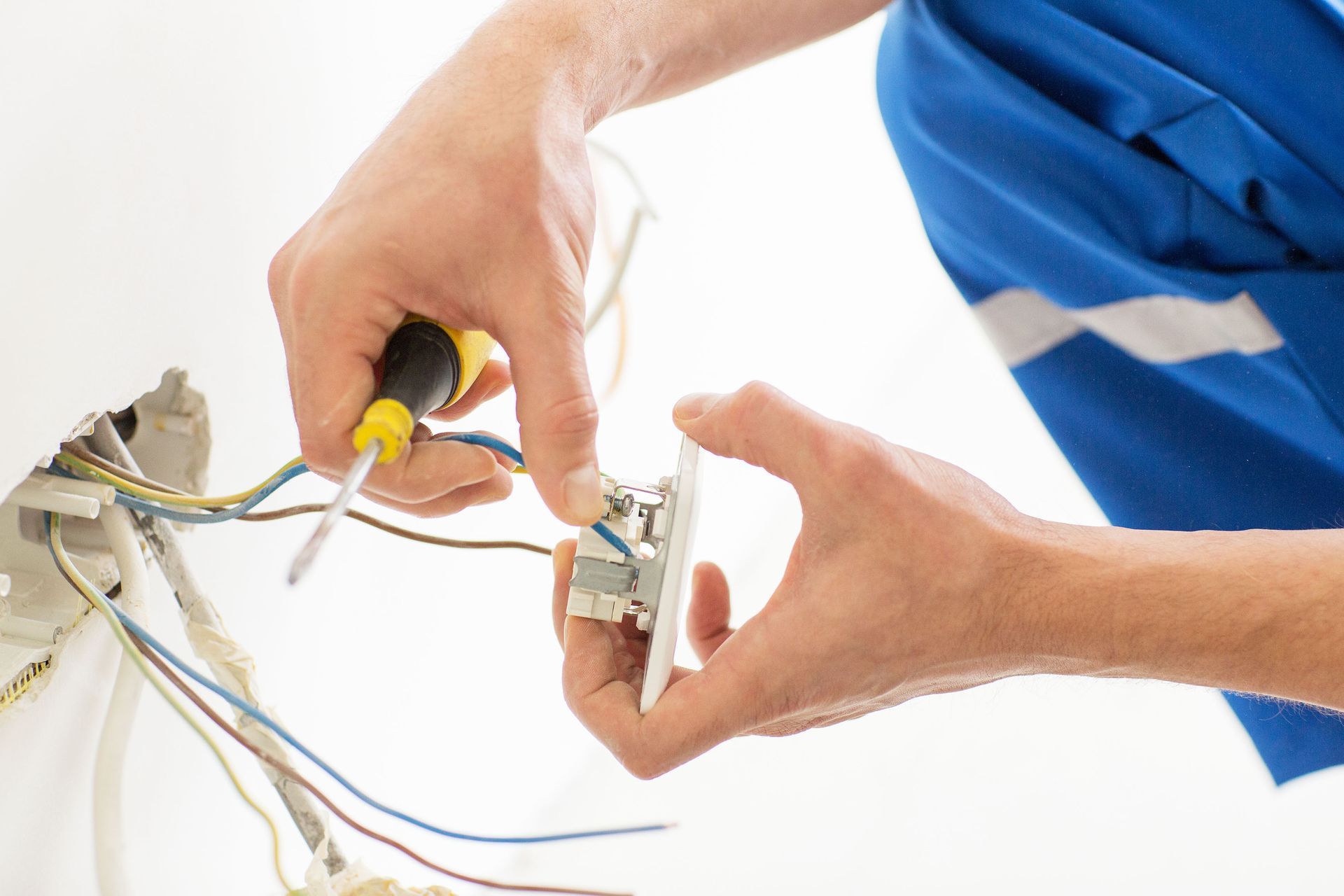
When light switches do not work as expected, the causes can vary widely. A common issue is poor electrical connections within the switch or outlet box, leading to interruptions in the circuit. Diagnosing the exact problem involves examining the wiring and switch connections to ensure they are secure and that no internal damage is present. Sometimes, the switches themselves may be old and simply need replacement. If basic troubleshooting does not resolve the problem, consider seeking professional assistance from an electrician for a more comprehensive examination.
The Impact of Poor Installation
Poor installation of electrical outlets and switches can have far-reaching impacts beyond just non-functionality. It can create a host of issues such as inconsistent power supply, short circuits, and potential fire hazards. Incorrect installation often leads to problems that are not immediately apparent, making them difficult to diagnose without expert help. In older homes, original installations may not have been updated to meet current electrical standards, thereby increasing risk.
Simple Fixes and Complex Repairs
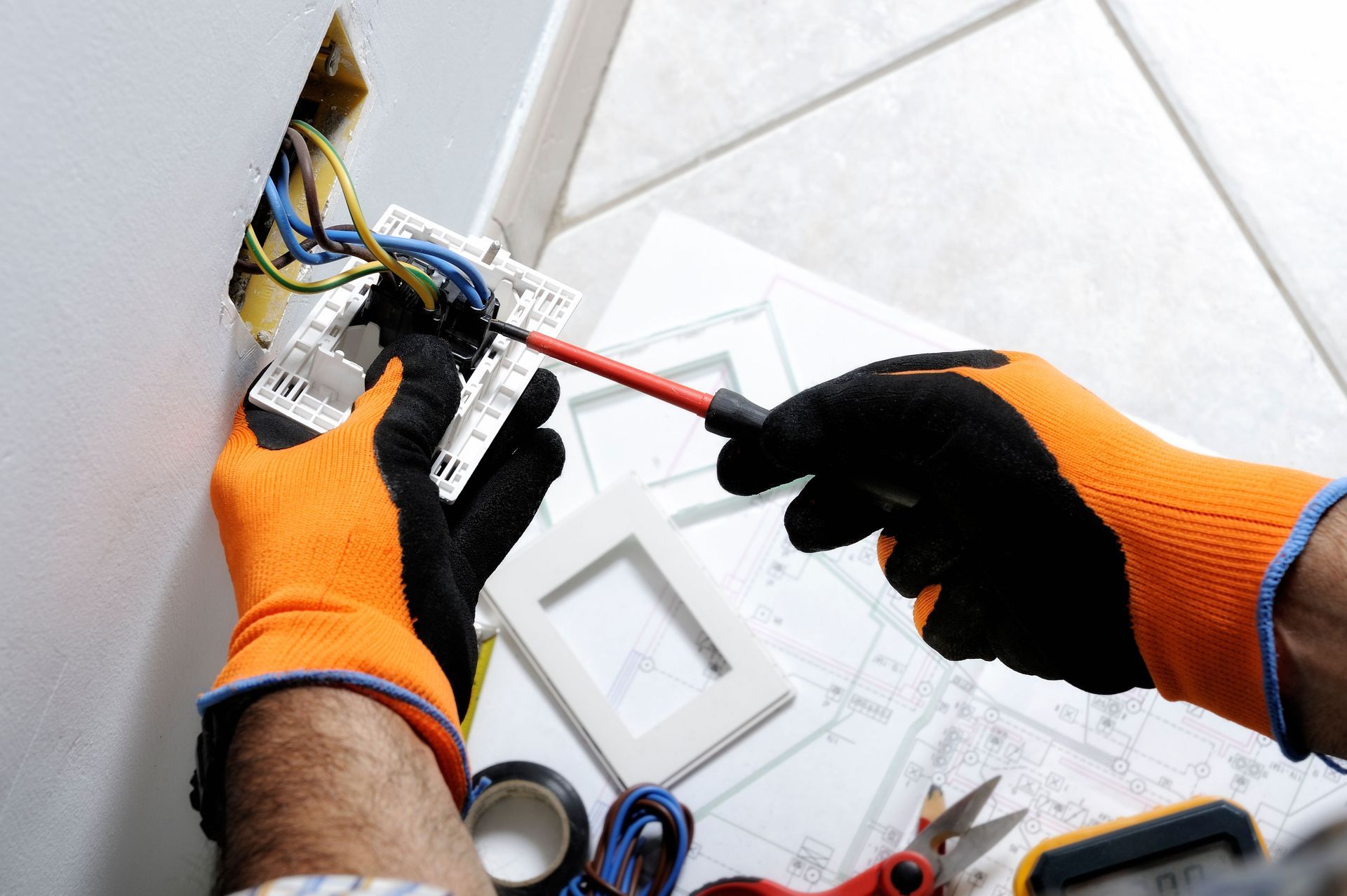
In some cases, non-functioning outlets and switches can be resolved with simple fixes. These might involve resetting the breaker, tightening connectors, or replacing old fixtures. However, when simple solutions fail, more complex repairs may be necessary, such as rewiring or upgrading the affected areas. These repairs often require professional expertise and should not be attempted without proper knowledge. Recognizing which repairs are manageable versus those that require professional intervention is key to maintaining home safety and efficiency.
Recognizing and addressing these common electrical problems can significantly enhance safety and efficiency in the home. Homeowners should not hesitate to call a professional electrician when necessary to prevent minor issues from turning into major hazards. While some problems may be manageable with basic understanding, complex issues require expertise to ensure safe and effective resolution. Call Accent Electric today for our services.