July 14, 2026
This section provides an overview of the fundamental concepts and skills that every professional electrician must have mastery over. The competence of an electrician is based on their understanding of electricity's fundamental principles and practices. This article outlines these critical areas, offering insights and detailed explanations for each essential component of the profession.
The Fundamental Laws of Electricity
To excel in the electrical field, one must first grasp the foundational laws governing electricity. These laws define the behavior of electrical circuits and the flow of current. Ohm's Law is one of the cornerstones, illustrating the relationship between voltage, current, and resistance. According to Fact Retriever, the three basic units used to measure electricity are voltage (expressed in volts), current (amps), and resistance (ohms). Understanding these measurements, along with Kirchhoff's laws, allows electricians to predict and manipulate electrical systems effectively.
Ohm's Law states that the current passing through a conductor between two points is directly proportional to the voltage across the two points, inversely proportional to the resistance. Recognizing and applying this principle is critical for diagnosing and preventing electrical issues. Electricians routinely use this law to determine the appropriate resistance and voltage levels needed for optimal system performance. Additionally, by mastering these calculations, electricians can ensure system safety and efficiency, minimizing the risk of failures and electrical hazards. This comprehension forms the bedrock of planning and implementing electrical installations and maintenance tasks.
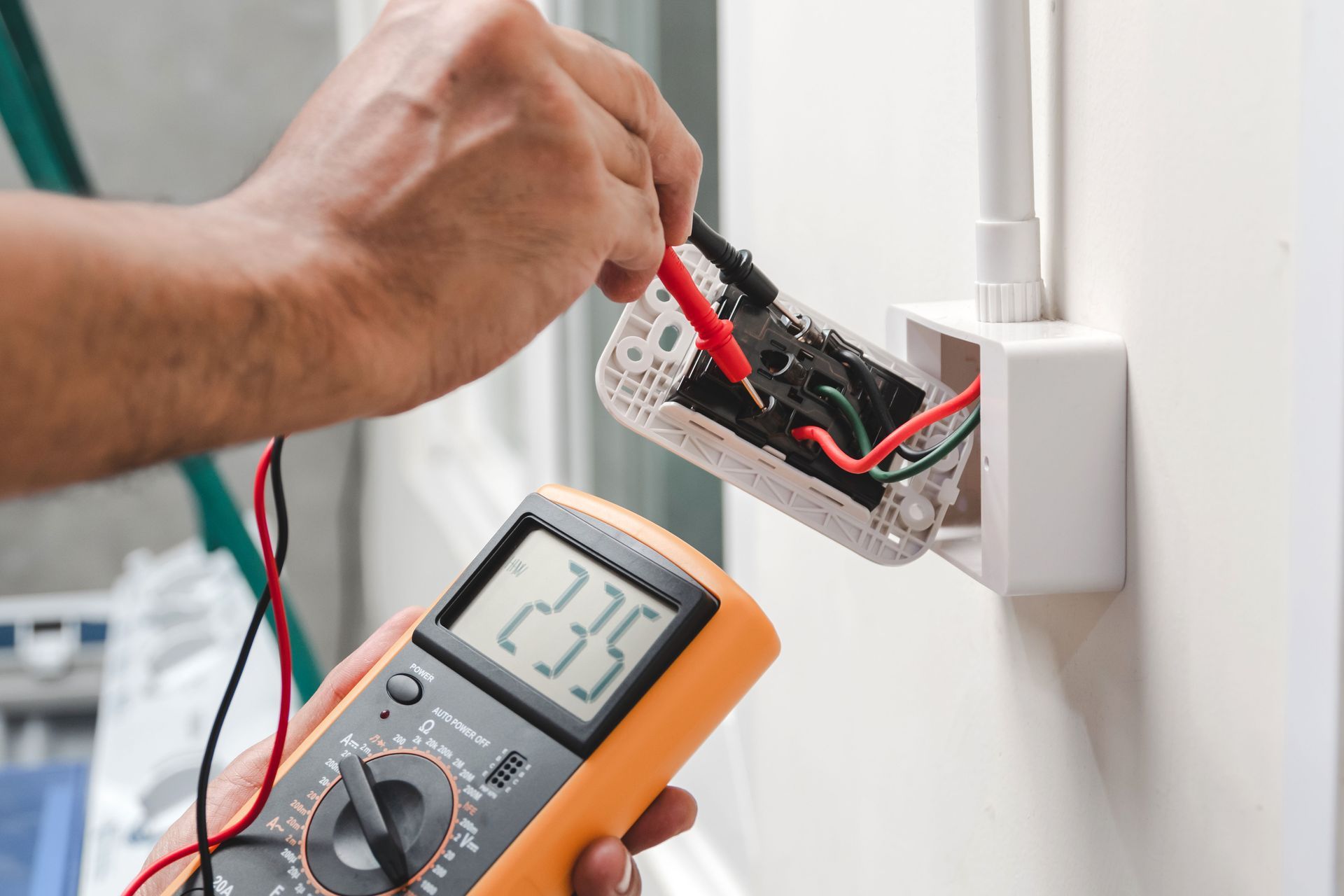
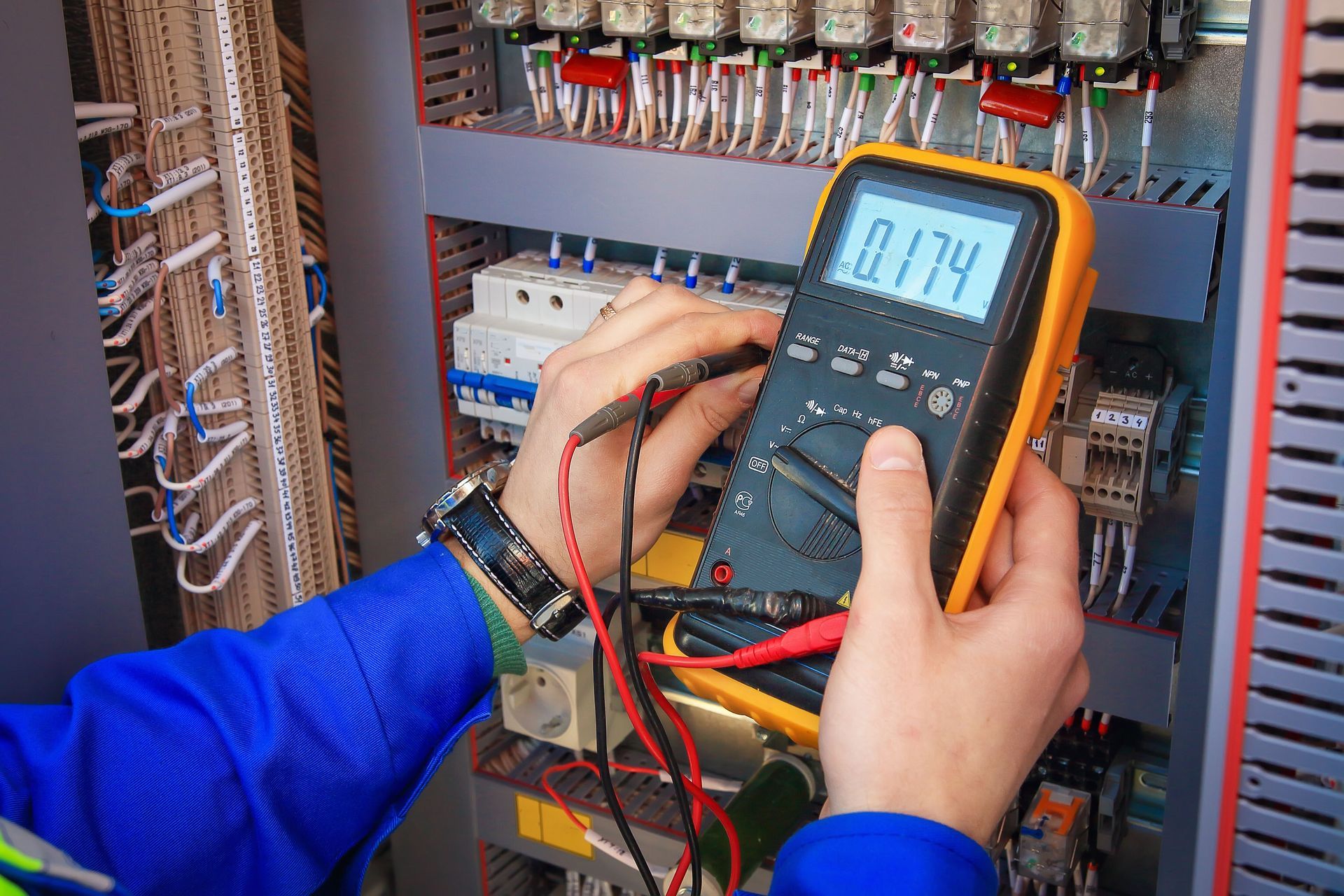
An electrician's work not only involves theoretical knowledge but also practical applications of these concepts. Practical interpretation of the laws of electricity enables the design and troubleshooting of circuits. Electricians must integrate these principles with technical skills, using tools like multimeters to measure voltage, current, and resistance accurately. This combination of theory and practice equips electricians to meet the demanding expectations of modern electrical systems. In-depth knowledge of these fundamental principles creates a foundation for further exploration into more complex electrical concepts and technologies.
Difference Between AC and DC
Alternating current (AC) and direct current (DC) are two types of electrical current used in various applications. DC is typically used in battery systems and electronics, providing a single direction flow of electricity. In contrast, AC is commonly used in household and industrial power systems due to its ability to travel long distances efficiently. Understanding the differences and applications of each is critical for electricians, impacting installation practices and device compatibility. An electrician must discern where and how to deploy each to optimize energy use and enhance system compatibility.
AC systems, characterized by their oscillating current, are preferred for delivering electricity to homes and businesses. This form of current can be easily converted to higher or lower voltages, making it a versatile choice for widespread distribution grids. On the other hand, DC systems are indispensable in low-voltage applications and technology-driven environments. The precision and stability offered by DC make it ideal for devices requiring consistent power levels. Thus, decision-making about AC or DC usage centers on the specific needs and constraints of the project at hand.
When handling electrical installations, understanding AC and DC goes beyond just their operational differences. It encompasses the various technologies and components that enable the transformation between these current types, such as transformers and rectifiers. Moreover, the growth in renewable energy solutions, like solar panels, often requires integrating AC and DC systems. Electricians must therefore possess a comprehensive understanding of both, not just in isolation but also in conjunction with each other. This integration skillset ensures that electricians can effectively manage contemporary advancements in electrical engineering.
Electrical Circuits and Components
Electrical circuits form the backbone of any electronic or electrical system, and understanding their composition is critical for any electrician. A circuit typically includes various components such as resistors, capacitors, inductors, switches, and power sources. Each element serves a specific function, influencing how electricity flows and is utilized within the circuit. Electricians must know how to configure these components to create functional, safe circuits. This expertise allows them to diagnose issues efficiently and design systems tailored to specific applications and requirements.
Circuit types can be as simple as series and parallel configurations or as complex as integrated circuits. Each type offers distinct advantages and is chosen based on the electrical challenge at hand. While series circuits provide simplicity and ease of use, parallel circuits offer more reliability and control over individual components. An electrician must evaluate the conditions and applications to select the best configuration. Understanding the nuances and applications of different circuit types is critical for ensuring functionality and longevity of electrical installations.
A crucial part of this understanding involves employing circuit diagrams effectively. These schematic representations offer a blueprint of the circuit's design and purpose, serving as a guide for electricians. Proficiency in reading and interpreting these diagrams ensures accurate installations and maintenance work. Additionally, electricians must stay updated on advances in circuit technology, such as microcontrollers and smart circuit interfaces. Maintaining knowledge in these areas enables electricians to better meet the demands of evolving technologies and applications.
Ohm's Law and Its Applications
Ohm's Law remains a fundamental principle guiding electrical and electronic work. It relates voltage, current, and resistance in a simple equation: V=IR, where V is voltage, I is current, and R is resistance. This formula is a vital tool in calculating the correct parameter values for safe and efficient circuit design. Electricians apply Ohm's Law to ensure electrical systems are properly balanced, avoiding overloads that may cause damage or hazardous situations. Skillful application of this law is foundational for troubleshooting existing issues and preventing potential ones.
Using Ohm's Law, electricians are equipped to analyze and predict an electrical system's performance under varying conditions. The law facilitates accurate measurements and diagnostics, leading to efficient problem-solving strategies. When current or voltage measurements deviate from expectations, resistance values can be adjusted accordingly, following the law's guidance, to maintain system integrity.
Furthermore, understanding Ohm's Law provides a stepping stone into more advanced electrical concepts. Its applications extend into developing safe and responsive electrical systems—key in ensuring compliance with regulations and standards. Thus, proficiency in Ohm's Law not only enhances practical skills but also paves the way for integrating complex technologies, ensuring electricians are prepared for future challenges.
Inductive and Capacitive Reactance
Inductive and capacitive reactance are vital concepts within AC circuits that electricians must master. Reactance is the resistance that these components offer to the alternating current, which affects the phase between voltage and current. Inductive reactance occurs in coils or inductors, while capacitive reactance occurs in capacitors. Together, they comprise the impedance that fluctuates with changes in frequency. An understanding of reactance allows electricians to predict circuit behaviors and improve their performance and efficiency.
In particular, inductive reactance is significant in settings involving transformers and motors, where magnetic fields play a central role. Capacitive reactance, on the other hand, is vital in applications dealing with energy storage and smoothing voltage fluctuations. An electrician's ability to calculate and predict the reactance of each component is crucial in ensuring the system's reliability and efficiency. Mastering the interplay of reactance within AC circuits equips electricians to manage issues related to power factors, resonances, and energy losses.
Electricians must also understand how to mitigate unwanted side effects of reactance, such as reactive power overloading, which can impair power quality and increase operational costs. Achieving this involves incorporating power factor correction solutions, such as capacitors or synchronous condensers, within the system. By optimizing reactance and impedance, electricians can enhance energy efficiency and reduce costs. Moreover, continuous advances in electronic technologies highlight the importance of keeping abreast of new developments in devices sensitive to reactance and impedance issues.
When your home or business faces electrical issues, you want an experienced and knowledgeable team to assist you. Accent Electric has decades of experience performing safe, high-quality electric work. Reach out to our team today to learn more about how an
electrician from Accent Electric can help you!